

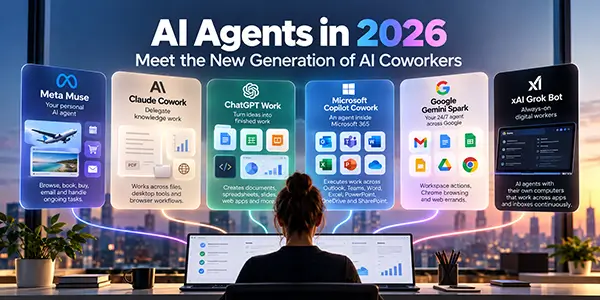
Most businesses already use software to manage sales, marketing, finance and customer support. Yet a surprising amount of time is still spent on routine tasks, following up on emails, updating records and making sure nothing falls through the cracks.
This is where AI agents could make a difference.
Imagine having an AI Sales Agent that follows up with new enquiries, a Finance Agent that monitors unpaid invoices, or a Support Agent that handles common customer questions around the clock.
Now imagine these agents working together, sharing information and coordinating tasks across different departments.
The goal isn’t necessarily to replace employees. It’s to reduce repetitive work, improve response times and allow businesses to grow without constantly adding more administrative workload.
Of course, not everything should run automatically. Sensitive decisions, financial transactions and customer information still require proper controls and human oversight.
So, what could an AI-powered business actually look like?
Here are some AI agent roles worth exploring, from sales and marketing to finance, operations and management.
01. AI Chief of Staff Agent — Executive Management & Business Coordination
- Generates daily CEO briefings covering revenue, sales, cash flow, operations and outstanding issues.
- Identifies the top 3–5 business priorities for the day.
- Coordinates tasks between different AI agents and human employees.
- Assigns tasks based on urgency, importance, deadlines and available resources.
- Tracks outstanding tasks, unfinished projects and unresolved customer matters.
- Monitors departmental KPIs against monthly and quarterly targets.
- Detects unusual business performance, such as declining revenue or increasing expenses.
- Consolidates reports from sales, marketing, finance and customer support.
- Prepares executive summaries before important meetings.
- Records meeting decisions, action items, owners and deadlines.
- Follows up with employees or agents on overdue commitments.
- Identifies operational bottlenecks and recommends process improvements.
- Monitors major customer accounts and highlights potential business risks.
- Recommends which business activities should be automated or delegated.
- Generates weekly management reports and executive dashboards.
- Compares current performance against historical results.
- Runs business scenario simulations, including revenue, staffing and cost changes.
- Identifies conflicting priorities between departments.
- Maintains a centralized record of business decisions and their outcomes.
- Escalates critical business decisions to management for approval.
– 02. AI Marketing Agent — Content, Branding & Digital Marketing
- Develops monthly and quarterly marketing strategies based on business objectives.
- Creates content calendars for LinkedIn, Facebook, Instagram, TikTok and other platforms.
- Writes social media posts, captions, articles and promotional announcements.
- Converts long articles into shorter posts, infographics and video scripts.
- Generates marketing images, banners and campaign creative briefs.
- Produces short-form video scripts and assists with video production and editing.
- Repurposes webinars, presentations and videos into multiple content formats.
- Researches high-performing keywords for SEO and paid advertising.
- Identifies content gaps on company websites.
- Creates SEO-optimized landing pages and blog articles.
- Monitors website rankings and recommends SEO improvements.
- Analyzes competitors’ advertisements, promotions and marketing approaches.
- Generates Google Ads headlines, descriptions and keyword recommendations.
- Identifies negative keywords to reduce irrelevant advertising expenditure.
- Monitors advertising costs, conversions and return on ad spend.
- Recommends campaign budget adjustments based on performance.
- Suggests A/B testing opportunities for advertisements and landing pages.
- Writes email newsletters and automated marketing campaigns.
- Segments customers for more targeted marketing messages.
- Personalizes marketing content for different industries and customer profiles.
- Translates and localizes campaigns for international markets.
- Identifies trending topics relevant to the company’s services.
- Detects changes in customer engagement and audience sentiment.
- Generates weekly marketing performance reports.
- Recommends improvements based on campaign analytics.
– 03. AI Sales Agent — Lead Generation, Conversion & Revenue Growth
- Responds automatically to new sales enquiries through approved communication channels.
- Captures leads from website forms, email, WhatsApp and social media.
- Identifies the source of every lead and records it in the CRM.
- Enriches company profiles using publicly available business information.
- Qualifies leads based on business needs, budget, company size and buying timeline.
- Scores leads according to their likelihood of conversion.
- Prioritizes high-value and high-intent prospects.
- Identifies potential decision-makers and relevant business contacts.
- Generates personalized sales introduction emails.
- Responds to common product and pricing enquiries.
- Recommends suitable products or service packages.
- Prepares draft quotations based on approved pricing and discount rules.
- Compares different product options for prospective customers.
- Generates sales proposals tailored to each customer’s requirements.
- Identifies cross-selling and upselling opportunities.
- Schedules product demonstrations and consultations.
- Sends follow-up emails based on agreed sales sequences.
- Detects leads that have become inactive and recommends re-engagement.
- Tracks quotations that have not received customer responses.
- Monitors sales opportunities approaching expected closing dates.
- Updates CRM records automatically after customer interactions.
- Summarizes customer conversations and identifies next steps.
- Tracks customer objections and recommends suitable responses.
- Generates weekly sales pipeline and conversion reports.
- Forecasts expected sales revenue based on current opportunities.
- Identifies common reasons for lost sales.
- Detects customers who may be ready for additional services.
- Alerts salespeople when human intervention could improve conversion.
- Provides management with recommendations to improve sales performance.
– 04. AI Customer Support Agent — Customer Service & Technical Assistance
- Provides 24/7 responses to frequently asked questions.
- Retrieves answers from approved company documentation and knowledge bases.
- Handles enquiries through website chat, email, WhatsApp and other supported channels.
- Creates support tickets automatically.
- Categorizes tickets based on issue type, product and urgency.
- Identifies potentially critical technical issues requiring immediate attention.
- Checks customer subscription details and service entitlements.
- Provides troubleshooting instructions based on approved support procedures.
- Guides customers through account setup and product configuration.
- Retrieves service status information from connected platforms.
- Checks the progress of existing support tickets.
- Sends customers automated status updates.
- Detects repeated customer complaints or recurring technical problems.
- Suggests relevant support articles and self-service resources.
- Summarizes previous customer interactions before escalation.
- Routes complicated cases to the appropriate technical team.
- Monitors ticket response times and SLA commitments.
- Escalates tickets approaching SLA deadlines.
- Identifies tickets that have remained unresolved for too long.
- Requests additional diagnostic information from customers.
- Translates customer enquiries into the support team’s working language.
- Generates customer-facing incident summaries.
- Drafts service restoration notices.
- Suggests improvements to the company knowledge base.
- Detects knowledge-base articles that may contain outdated information.
- Generates weekly reports on ticket volume, resolution times and customer satisfaction.
- Identifies support processes suitable for further automation.
- Performs low-risk support actions through approved integrations and permissions.
– 05. AI Receptionist Agent — Voice Calls & Front Desk Operations
- Answers incoming telephone calls around the clock.
- Uses natural conversational AI to communicate with callers.
- Supports multilingual customer conversations.
- Identifies the purpose of incoming calls.
- Responds to common questions about business hours, products and services.
- Routes calls to the appropriate department or employee.
- Prioritizes urgent technical support calls.
- Collects caller information and enquiry details.
- Verifies basic customer identity before discussing account-specific information.
- Schedules meetings and consultations using connected calendars.
- Confirms appointments by SMS, WhatsApp or email.
- Reschedules or cancels appointments upon request.
- Handles after-hours enquiries and callback requests.
- Identifies potential sales opportunities during conversations.
- Creates CRM records for new enquiries.
- Generates call summaries and transcripts where permitted.
- Records follow-up actions requested during calls.
- Sends missed-call notifications to relevant employees.
- Detects suspected spam or unwanted automated calls.
- Provides basic service outage announcements to callers.
- Escalates high-priority calls to designated personnel.
- Monitors call volumes and peak enquiry periods.
- Produces reports on call reasons, outcomes and missed opportunities.
– 06. AI Mail Inbox Agent — Email Management & Executive Assistance
- Monitors designated business email inboxes.
- Categorizes messages into sales, support, billing, operations and administrative enquiries.
- Identifies urgent emails requiring immediate attention.
- Prioritizes important customers, partners and management communications.
- Summarizes lengthy email conversations.
- Extracts tasks and commitments from incoming messages.
- Drafts replies using the company’s preferred communication style.
- Suggests responses based on previous email conversations.
- Detects unanswered customer enquiries.
- Follows up on emails awaiting external responses.
- Identifies emails relating to upcoming deadlines.
- Extracts meeting requests and checks calendar availability.
- Prepares meeting invitations for approval or automatically schedules permitted appointments.
- Detects potentially conflicting meetings and commitments.
- Identifies invoices, receipts and financial attachments.
- Forwards relevant financial documents to the accounting workflow.
- Detects contract renewal notices and subscription expiry reminders.
- Flags suspicious email content and potential phishing attempts.
- Organizes emails using labels, folders and categories.
- Archives routine notifications according to predefined rules.
- Generates daily summaries of important communications.
- Highlights emails that require executive decisions.
- Identifies frequently repeated email requests that could be automated.
- Produces weekly reports on inbox workload and response times.
- Maintains a record of outstanding email-related commitments.
– 07. AI Finance Agent — Accounting, Collections & Financial Intelligence
- Extracts information from invoices, receipts and purchase documents.
- Categorizes business expenses according to the accounting chart of accounts.
- Suggests accounting entries based on transaction history.
- Matches invoices and payments against bank transactions.
- Identifies transactions requiring manual reconciliation.
- Detects duplicate invoices and potentially duplicated payments.
- Tracks outstanding customer invoices.
- Sends payment reminders according to approved collection schedules.
- Escalates severely overdue accounts to finance personnel.
- Monitors accounts receivable and accounts payable.
- Forecasts cash flow based on historical and expected transactions.
- Predicts potential cash shortages.
- Tracks recurring subscriptions and operating expenses.
- Detects unusual spending patterns and unexpected expense increases.
- Identifies customers with declining payment reliability.
- Calculates estimated profitability by customer, service or project.
- Compares actual spending against departmental budgets.
- Produces monthly profit-and-loss summaries.
- Prepares management cash flow and financial performance reports.
- Highlights low-margin products and services.
- Identifies potential subscription billing discrepancies.
- Checks that recurring customer invoices are generated correctly.
- Detects missing invoices or unbilled services.
- Forecasts upcoming supplier payments and customer collections.
- Prepares draft GST summaries for accountant review.
- Flags transactions requiring tax treatment verification.
- Supports bank reconciliation workflows through accounting integrations.
- Generates rolling revenue and expense forecasts.
- Recommends potential cost reductions.
- Identifies financial risks and transactions requiring management approval.
– 08. AI Research Agent — Market Intelligence & Business Opportunities
- Monitors competitor websites and publicly advertised pricing.
- Tracks new products and services launched by competitors.
- Detects changes in competitor promotions.
- Monitors competitor advertising campaigns.
- Identifies emerging market trends.
- Tracks industry news relevant to the company’s products and services.
- Monitors technology developments and new product announcements.
- Researches customer buying behavior and market demand.
- Identifies emerging customer problems and unmet needs.
- Analyzes discussions on Reddit, forums and social media.
- Extracts common customer complaints about competing products.
- Identifies potential business opportunities in underserved markets.
- Researches new geographical markets for expansion.
- Compares product capabilities and commercial positioning.
- Tracks vendor and distributor pricing announcements.
- Monitors changes in vendor licensing models.
- Identifies regulatory or policy changes that could affect business operations.
- Researches potential suppliers and technology partners.
- Tracks publicly announced tenders and procurement opportunities.
- Assesses emerging business risks from technological developments.
- Produces competitor comparison reports.
- Generates industry SWOT analyses.
- Creates weekly market intelligence reports with source references.
- Distinguishes verified developments from speculation.
- Recommends practical actions based on research findings.
- Suggests new products or services worth evaluating.
– 09. AI Customer Reviews Agent — Reputation & Customer Experience
- Automatically requests reviews from customers after completed services.
- Sends personalized review invitations by email or messaging.
- Monitors public reviews across supported platforms.
- Identifies newly published positive and negative reviews.
- Drafts personalized responses to customer reviews.
- Flags critical reviews requiring management attention.
- Identifies complaints that suggest unresolved service issues.
- Creates support tickets based on actionable negative feedback.
- Tracks customer satisfaction over time.
- Collects post-service feedback through surveys.
- Calculates and monitors customer satisfaction and NPS scores.
- Identifies recurring customer complaints.
- Detects customer experience improvements following operational changes.
- Identifies customers willing to participate in testimonials.
- Drafts customer case studies with appropriate consent.
- Analyzes customer sentiment across support tickets and reviews.
- Compares reputation trends against competitors.
- Reports common strengths and weaknesses mentioned by customers.
- Recommends service improvements based on feedback patterns.
- Tracks whether complaints have been acknowledged and resolved.
- Generates monthly customer reputation reports.
- Suggests suitable opportunities for customer retention initiatives.
- Ensures review requests follow platform rules and avoid misleading or incentivized review practices.
– 10. AI Hiring Agent — Recruitment & Human Resources
- Drafts job descriptions based on departmental requirements.
- Recommends suitable qualifications, technical skills and experience levels.
- Researches market salary ranges for different positions.
- Creates recruitment advertisements for job portals.
- Publishes approved vacancies on supported hiring platforms.
- Collects and organizes candidate applications.
- Extracts relevant skills and experience from resumes.
- Identifies candidates meeting predefined, job-related criteria for human review.
- Generates structured applicant summaries.
- Drafts candidate screening questions.
- Coordinates preliminary candidate screening conversations.
- Schedules interviews based on interviewer availability.
- Sends interview confirmations and reminders.
- Prepares role-specific interview questions.
- Produces consistent interview evaluation templates.
- Tracks candidate progress through recruitment stages.
- Drafts recruitment updates for candidates.
- Prepares employment offer letters for management approval.
- Generates onboarding checklists for new employees.
- Coordinates approved equipment and software access requests.
- Creates orientation schedules and training plans.
- Monitors new-employee onboarding progress.
- Sends reminders for probation reviews.
- Identifies missing employee documents and administrative requirements.
- Tracks employee training and professional certification deadlines.
- Supports offboarding checklists and access-removal requests.
- Keeps hiring and rejection decisions under human control using fair, job-related assessment criteria.
– 11. AI Agent — Customer Success & Retention
- Monitors customer engagement and service utilization.
- Identifies customers with declining product usage.
- Detects accounts potentially at risk of cancellation.
- Tracks customer subscription renewal dates.
- Identifies customers who may benefit from additional services.
- Sends customer onboarding and adoption guidance.
- Monitors unresolved complaints from important customers.
- Schedules periodic customer service reviews.
- Produces customer account health scores.
- Identifies customers with consistently high support requirements.
- Generates personalized renewal preparation summaries.
- Recommends retention activities based on customer behavior.
- Tracks customer lifetime value.
- Produces churn and retention analysis reports.
- Alerts account managers when customer intervention is recommended.
– 12. AI Agent — Procurement & Vendor Management
- Monitors supplier pricing changes.
- Compares quotations from different suppliers.
- Tracks procurement requests and approval status.
- Identifies purchase orders awaiting supplier confirmation.
- Monitors vendor contract expiration dates.
- Tracks supplier delivery commitments.
- Compares supplier performance using delivery and support records.
- Identifies opportunities to consolidate purchases.
- Flags unexpected supplier cost increases.
- Checks supplier invoices against approved purchase orders.
- Tracks recurring vendor subscription expenses.
- Monitors product availability and relevant inventory.
- Generates supplier negotiation preparation reports.
- Recommends procurement cost-saving opportunities.
– 13. AI Agent — Compliance, Risk & Governance
- Maintains registers of applicable regulatory and contractual obligations.
- Tracks important compliance and certification renewal dates.
- Monitors published regulatory announcements.
- Identifies potential compliance gaps in documented business processes.
- Organizes vendor due diligence documentation.
- Tracks outstanding compliance questionnaires.
- Reviews contracts against predefined compliance checklists.
- Generates draft responses to customer compliance enquiries.
- Monitors internal policy review deadlines.
- Tracks employee compliance training completion.
- Supports ISO 27001 control evidence collection.
- Maintains business continuity testing schedules and records.
- Organizes security audit evidence.
- Flags missing or outdated compliance documents.
- Produces management compliance dashboards.
- Escalates potentially material compliance issues to qualified reviewers.
– 14. AI Agent — SEO & Website Optimization
- Audits website pages for SEO issues.
- Identifies broken links and incorrect redirects.
- Monitors keyword rankings.
- Identifies search queries with growing demand.
- Performs competitor keyword gap analysis.
- Recommends new landing pages based on search intent.
- Suggests improvements to existing product pages.
- Generates optimized page titles and meta descriptions.
- Identifies duplicate or thin website content.
- Monitors website traffic and conversion trends.
- Analyzes organic versus paid search performance.
- Identifies opportunities for internal linking.
- Recommends structured data enhancements.
- Tracks website performance and Core Web Vitals.
- Monitors AI search visibility and brand mentions.
- Generates monthly SEO improvement priorities.
– 15. AI Agent — Product & Pricing Intelligence
- Monitors product prices across competitors.
- Tracks vendor and distributor price changes.
- Calculates gross margins based on current costs.
- Identifies products with declining profitability.
- Suggests pricing adjustments based on predefined margin targets.
- Monitors promotional offers and their expiration dates.
- Compares product bundles across competitors.
- Identifies customer segments with differing pricing sensitivity.
- Analyzes sales conversion at different price points.
- Flags products that may be overpriced or underpriced.
- Detects discrepancies between published pricing and billing systems.
- Recommends potential new product bundles.
- Forecasts revenue impact from proposed pricing changes.
- Produces pricing intelligence reports for management approval.
– 16. AI Agent — Project Management
- Converts project objectives into structured work plans.
- Breaks complex projects into smaller tasks.
- Assigns responsibilities to relevant teams or agents.
- Estimates milestones and delivery schedules.
- Monitors task completion against project deadlines.
- Detects dependencies that may delay project delivery.
- Sends reminders for overdue activities.
- Identifies resource conflicts between projects.
- Summarizes project meetings and decisions.
- Tracks changes in project scope.
- Maintains project risk and issue registers.
- Generates customer project progress updates.
- Identifies projects exceeding approved budgets.
- Recommends adjustments to project timelines.
- Generates weekly project status reports.
– 17. AI Agent — Contracts & Subscription Management
- Tracks customer agreement expiration dates.
- Monitors software subscription renewal schedules.
- Identifies agreements requiring advance renewal notices.
- Extracts commercial terms from signed contracts.
- Highlights contractual obligations and important deadlines.
- Compares contract amendments against existing agreements.
- Tracks customer licensing quantities.
- Identifies potential over-licensing and under-licensing.
- Detects discrepancies between subscriptions and invoices.
- Generates draft subscription renewal quotations.
- Alerts account managers about upcoming price changes.
- Identifies subscriptions with unused capacity.
- Tracks cancellation notice periods.
- Generates monthly subscription renewal forecasts.
- Escalates contractual interpretation issues for legal review.
– 18. AI Agent — Business Development & Partnerships
- Researches potential strategic partners.
- Identifies suitable resellers and affiliate partners.
- Monitors technology vendor partnership programs.
- Tracks partnership opportunities in new markets.
- Drafts partnership introduction messages.
- Maintains partner contact information and engagement history.
- Tracks joint marketing and sales initiatives.
- Identifies potential co-selling opportunities.
- Monitors partner incentive and rebate programs.
- Generates partner performance reports.
- Tracks partnership agreements and renewal dates.
- Identifies underperforming partnerships.
- Recommends partner expansion opportunities.
- Produces monthly business development briefings.
Cross-Agent Collaboration — Automated Business Workflows
- New sales enquiry
- Sales Agent qualifies the lead.
- Research Agent gathers relevant company intelligence.
- Product & Pricing Agent recommends suitable packages.
- Sales Agent prepares a quotation.
- Inbox Agent drafts follow-up correspondence.
- Chief of Staff Agent monitors conversion progress.
- New customer onboarding
- Sales Agent confirms the approved order.
- Finance Agent validates billing arrangements.
- Project Management Agent creates onboarding tasks.
- IT Operations Agent coordinates approved technical provisioning.
- Support Agent prepares customer documentation.
- Customer Success Agent monitors initial customer satisfaction.
- Customer complaint
- Support Agent identifies the issue.
- Customer Reviews Agent analyzes related feedback.
- IT Operations Agent investigates technical incidents.
- Customer Success Agent coordinates customer communications.
- Chief of Staff Agent monitors unresolved high-priority cases.
- Upcoming software renewal
- Contracts Agent identifies the upcoming renewal.
- Pricing Agent checks updated vendor pricing.
- Finance Agent analyzes customer profitability.
- Sales Agent prepares the renewal proposal.
- Customer Success Agent coordinates customer engagement.
- Chief of Staff Agent tracks renewal risk.
- New market opportunity
- Research Agent detects a market opportunity.
- Product Agent evaluates commercial viability.
- Marketing Agent designs a promotional campaign.
- Sales Agent identifies and engages qualified prospects.
- Finance Agent estimates profitability.
- Chief of Staff Agent reviews the combined business case.
- Monthly business performance review
- Finance Agent provides revenue, profit and cash-flow analysis.
- Marketing Agent reports campaign effectiveness.
- Sales Agent reports pipeline and conversion performance.
- Support Agent reports service quality and unresolved issues.
- Customer Success Agent reports customer retention.
- Research Agent identifies emerging market threats and opportunities.
- Chief of Staff Agent consolidates findings into management recommendations.
Shared Capabilities & Controls — Requirements for Every AI Agent
- Operates within clearly defined roles, responsibilities and permissions.
- Accesses business systems only through authorized integrations.
- Uses company-approved knowledge sources and policies.
- Maintains audit logs of actions, decisions and system changes.
- Distinguishes between recommendations, drafted actions and completed actions.
- Requires human approval for sensitive financial transactions, refunds, account permissions, hiring decisions and significant business commitments.
- Verifies information before taking consequential actions.
- Escalates uncertain, unusual or high-risk situations.
- Avoids exposing confidential customer information to unauthorized users or systems.
- Applies customer data retention and privacy requirements.
- Monitors automation failures and integration errors.
- Prevents repeated or duplicate automated actions.
- Supports rollback or recovery procedures for permitted system changes.
- Measures its own performance using accuracy, completion rate, cost and time saved.
- Reports unsuccessful tasks rather than falsely marking them completed.
- Coordinates through a shared task management or orchestration system.
- Provides management with visibility into agent activity and operating costs.
- Supports gradual deployment, starting with read-only analysis, then approval-based actions, and finally narrowly authorized autonomous workflows.

